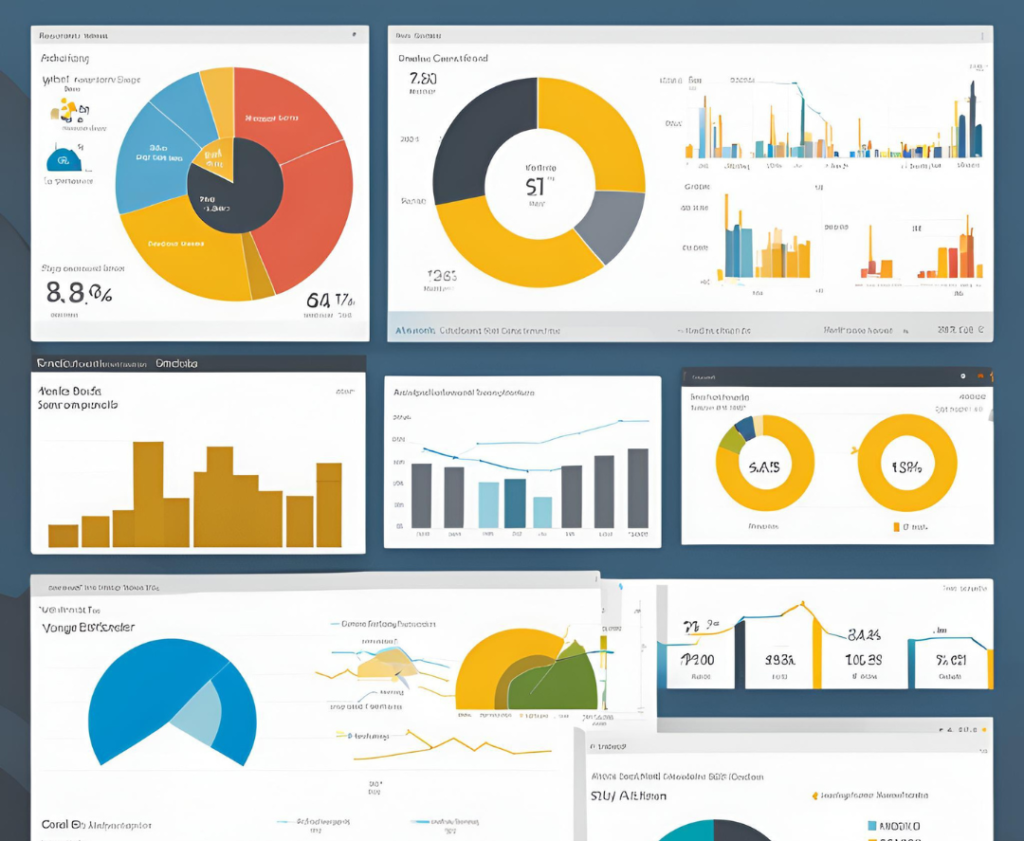
For over a decade, people analytics has been heralded as the “future of HR”— a tool to revolutionize how we manage talent, boost productivity, and make smarter workforce decisions. Globe Newswire stated that “HR Analytics Market Size to Surpass USD 11.96 Billion by 2032 Owing to Increasing Adoption of Data-Driven Workforce Strategies”
So what and why hasn’t it delivered? 🤔
According to a survey referenced in a recent Forbes article by Heidi Farris, CEO of ActivTrak, a staggering 65% of organizations reported no commercial benefit from their people analytics initiatives in the past year. That statistic alone should be a wake-up call to HR professionals and business leaders alike.
Let’s unpack where things went wrong — and more importantly, how to get it right. 🚀
❌ The People Analytics Pitfall: Siloed, Static, and Stuck in HR
The core issue isn’t the data itself — it’s how the data is being used (or not used). Most organizations have treated people analytics as an HR function rather than a strategic business capability. The result?
➡️ Data that sits isolated in HR dashboards
➡️ Insights focused on turnover or engagement, but not on business outcomes
➡️ Leaders flying blind when making decisions about headcount, budgets, and capacity
When workforce data isn’t connected to financial metrics, operational plans, or strategic goals, it becomes noise — not intelligence.
🤯 Why This Matters More Than Ever
In today’s climate of economic uncertainty, rising labor costs, and constant calls for agility, this disconnect is more damaging than ever.
💸 Labor is the biggest cost for most companies.
📉 Workforce underutilization = lost ROI.
📊 Lack of real-time insight = reactive decisions and costly inefficiencies.
Business leaders can access real-time sales and financial dashboards — but not the same for workforce capacity or productivity. That imbalance creates blind spots.
Imagine asking your CFO to forecast next quarter without sales data. That’s what many companies are doing with their workforce today.
🧠 From People Analytics to Workforce Intelligence
🚀 To drive meaningful business outcomes, we need to shift from basic report analytics to enterprise-wide workforce intelligence. It empowers leaders with a clear view of utilization, performance, and efficiency — across departments, not just HR.
What’s the difference?
|
People Analytics |
Workforce Intelligence |
|
HR-focused |
Business-wide |
|
Reports on past events |
Drives real-time decisions |
|
Focuses on people metrics |
Integrates with financial & ops data |
|
Used mainly by HR |
Accessible to C-suite and managers |
🔑 The Real Questions Leaders Should Be Asking
A static attrition report won’t tell you what really matters to business performance. Instead, companies should be asking:
✅ Are we fully utilizing the workforce we already have?
✅ Where are our inefficiencies — and what are they costing us?
✅ Which teams are burning out, and which have untapped capacity?
✅ How are work patterns influencing profitability?
If you can’t answer those, you’re not getting full value from your people analytics.
🧭 HR’s True Role: Strategic Partner, Not Data Custodian
The role of HR is evolving — and fast. No longer the sole “owner” of people data, HR must now become a translator and integrator, ensuring workforce insights are aligned with:
📈 Financial planning
👥 Resource allocation
🛠 Operational execution
As the Forbes article notes, 70% of business leaders now see HR as a strategic driver. That means HR must deliver data where it’s needed — in the boardroom, the CFO’s budget, the COO’s operations report.
It’s no longer enough to just collect data. We have to connect it — across the business.
🚧 The Cost of Getting It Wrong
Companies that fail to integrate people analytics risk:
❌ Over-hiring without understanding current capacity
❌ Missed savings from underused teams
❌ Poor decision-making based on gut instinct
❌ Decreased agility and competitiveness
In a time when businesses are under pressure to do more with less, these gaps are expensive.
✅ What Winning Organizations Are Doing Differently
The best-performing organizations are leading the way with smarter workforce intelligence strategies. Here’s how:
🔗 Integration: Embedding workforce data into ERP, FP&A, and BI tools
⏱ Real-Time Dashboards: Not quarterly reports — instant insights
📉 Cost Visibility: Tying productivity directly to financial impact
🧮 Data-Driven Decisions: Forecasting headcount needs based on actual workload
It’s not just about “HR tech” anymore. It’s about business transformation.
💬 Final Thoughts: The Future Is Integrated
People analytics hasn’t failed because the idea is flawed — it’s failed because it’s been boxed into HR. The next evolution is about breaking that box open and making workforce data a core part of business intelligence.
Companies that do this well will:
✅ Maximize workforce ROI
✅ Improve agility in the face of change
✅ Make smarter, faster decisions
✅ Drive long-term profitability
Those that don’t? They’ll keep guessing — and losing.
📣 Over to You
Has your organization struggled to realize value from people analytics? What changes are you making to better align data with strategy?
Let’s discuss 👇
📩 Want More?
If you found this useful, subscribe to my People Analytics Insider newsletter for:
- Exclusive case studies (like the bias audit we did for a Fortune 500 company)
- Templates (data governance checklist, HR metrics guide)
- Deep dives on turning analytics into action